


New Car vs Used Car: Weighing the Pros and Cons in Utah
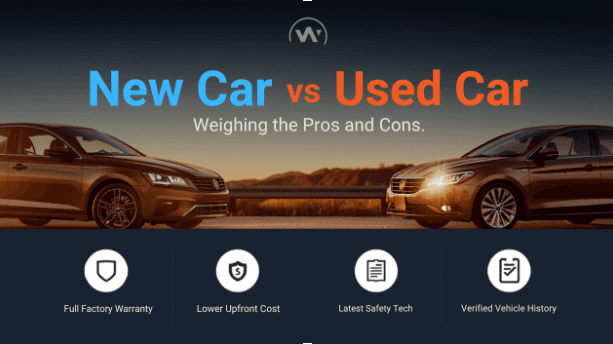
You’re standing in a dealership lot in Utah, torn between a shiny new Equinox and a two year old Traverse with thirty thousand miles on it. Both look great. Both seem to fit your budget somehow. So which one do you actually drive home?
The answer depends on what matters most to you, your monthly payment, how long you plan to keep the vehicle, and how much risk you’re willing to take on maintenance costs. Let’s walk through what actually separates a new car from a used one, so you can make the call with real numbers in front of you instead of a gut feeling.
What Are the Real Benefits of Buying New?
Buying new gives you control. You pick the color, the trim, and the tech package, and you know exactly how the vehicle was driven before you, because nobody drove it before you. Here’s what else comes with that new car smell.
- Full manufacturer warranty: Every new Chevy comes with bumper to bumper and powertrain coverage, so major repairs are handled at no cost for the first several years.
- The newest safety and tech features: New models get driver assistance systems, infotainment upgrades, and efficiency improvements before anything else in the lineup.
- Zero unknown history: You’re the first owner, so there’s no guessing about past accidents, towing habits, or how well the last person kept up with oil changes.
- Lower financing rates: Lenders typically offer better interest rates on new vehicles than used ones, which can offset a higher sticker price over the life of the loan.
Where Do Used Cars Come Out Ahead?
A used car isn’t a consolation prize. For a lot of buyers, it’s the smarter financial move, especially when the vehicle is only two or three years old and still under factory warranty coverage.
- Lower upfront cost: A car that’s two or three years old often costs thousands less than the same model brand new, even with similar mileage and condition.
- Slower depreciation from here on out: New vehicles lose a big chunk of their value in the first year alone. A used car already took that hit, so it holds its value more steadily going forward.
- Lower insurance premiums: Insurance companies typically charge less to cover a vehicle with a lower market value.
- Certified pre-owned coverage: Many vehicles in our used vehicle inventory come with multi-point inspections and extended warranty options that close the gap with new car protection.
New vs Used at a Glance
| Factor | New Car | Used Car |
|---|---|---|
| Upfront cost | Higher | Lower |
| Depreciation | Fastest in year one | Already leveled off |
| Warranty | Full factory coverage | Limited or CPO coverage |
| Financing rates | Typically lower APR | Typically higher APR |
| Customization | Full choice of trim and color | Limited to what’s in stock |
| Insurance cost | Higher | Lower |
How Much Should Your Budget Actually Drive This Decision?
Sticker price only tells part of the story. A used car with a lower price tag can still cost more over five years if it needs a transmission repair in year three. A new car with a higher payment can end up cheaper overall if it comes with a longer warranty and a lower interest rate.
Think about the whole picture instead of just the number on the windshield. Add up fuel costs, insurance, expected repairs, and how long you’ll actually keep making payments. A slightly higher monthly payment on a new Trax with a full warranty might beat a lower payment on an older SUV that’s due for new brakes and a timing belt within the year.
Run the numbers before you decide. Our payment calculator lets you compare monthly costs side by side, and if you’ve got a vehicle to trade in, you can get an estimate through our trade-in tool before you ever set foot on the lot. Our finance team can also walk you through rate differences between new and used loans so you’re not comparing sticker prices in a vacuum.
Does Mileage Tell You Everything You Need to Know?
Not even close. A ten year old car with sixty thousand highway miles and full service records can be a better bet than a five year old car with forty thousand miles of stop and go city driving and a spotty maintenance history. Ask for a vehicle history report on any used car you’re considering, and don’t skip the test drive just because the numbers look good on paper.
If you want a deeper look at what to check before signing anything, the FTC’s guide to buying a used car from a dealer walks through inspection tips, warranty disclosures, and your legal protections.
When Does Buying New Make the Most Sense?
New makes sense if you plan to keep the vehicle for a decade or longer, you want the latest safety tech for your family, or you qualify for a low APR that narrows the payment gap. It also makes sense if you have a specific trim or color in mind that just isn’t showing up in the used market.
When Does a Used Car Make More Sense?
Used makes sense if you want to keep your monthly payment low, you’re comfortable with a vehicle that already has a few thousand miles on it, or you want a bigger vehicle, like a Tahoe or Suburban, for less than you’d pay new. It’s also a smart route if this is your first car and you’d rather not carry the full weight of new car depreciation while you’re still building credit.
Common Questions About Buying New vs Used
Is it better to buy a new or used car for my first vehicle?
For most first time buyers, a used car keeps monthly payments lower while you build credit and figure out what you actually need in a vehicle. A certified pre-owned model adds warranty protection without the full new car price tag.
How much value does a new car lose in the first year?
New vehicles typically lose a substantial chunk of their value in the first twelve months, often 20 percent or more. That drop levels off significantly after the first two to three years.
Do used cars come with any warranty?
Many used vehicles still have time left on the original factory warranty, and certified pre-owned vehicles come with additional coverage on top of that.
Is it harder to get financing for a used car?
Approval isn’t necessarily harder, but interest rates tend to run higher on used vehicle loans compared to new ones, especially for older models.
What should I check before buying a used SUV or truck?
Ask for a vehicle history report, get a pre-purchase inspection if it’s not certified pre-owned, and check maintenance records for major services like transmission fluid and timing components.
Ready to compare a new and used option side by side? Stop by Riverton Chevrolet, serving the Salt Lake area, and our team will pull both into the same parking spot so you can see the difference for yourself, no pressure, just real numbers.
0 comment(s) so far on New Car vs Used Car: Weighing the Pros and Cons in Utah