


AWD vs 4WD: Which One is Best for Utah Drivers?
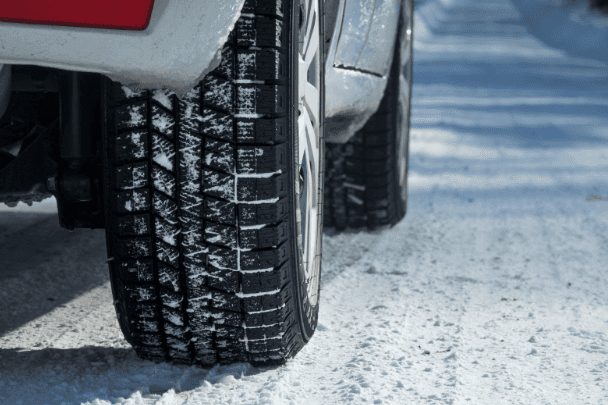
Living in Utah means you get to experience every single season in its most extreme form. Our summer temperatures exceed 100°F, and we can get several feet of snow in the winter.
It’s not uncommon to start your morning commute with perfectly clear skies and end it white-knuckling your steering wheel through a surprise squall on I-15. When you live near the Wasatch Front, dealing with snowy roads and icy patches is just a part of the deal.
There isn’t a single perfect drivetrain for every person in the state of Utah, so the right choice will depend on whether you’re mostly sticking to paved roads or heading out for an off-road adventure in one of Utah’s many beautiful canyons. We’re going to go over the differences between AWD vs 4WD vehicles, and how to decide which one is going to be best for you.
What is All-Wheel Drive?
All-wheel drive (AWD) is a system that sends power to every wheel automatically. Most modern AWD systems work without any input from the driver. The vehicle uses sensors to monitor wheel spin on slippery surfaces like icy roads or wet pavement.
When the car detects a loss of traction, it shifts power between the front and rear axles. This happens in a fraction of a second to keep the vehicle moving forward. Most AWD vehicles operate primarily as front-wheel drive or rear-wheel drive until the extra grip is needed.
This setup is very common in crossovers and smaller SUVs. It provides a balance of safety and fuel efficiency for daily driving. You don’t have to flip a switch or shift a lever to engage the system. It stays active all the time to handle changing road conditions on local canyon roads.
How is 4WD Different Than AWD?
Four-wheel drive (4WD) is a more traditional system often found in pickup trucks and large SUVs. It’s designed for extreme conditions and serious off-road use. Unlike AWD systems, a 4WD system usually links the front and rear axles together so they turn at the same speed.
Many 4WD vehicles use a transfer case to manage how power is distributed. You will often see options for part-time 4WD where you manually select the mode. This allows you to run in two-wheel drive on dry pavement to save gas.
When you head into deep snow or mud, you can shift into 4WD High or 4WD Low. This provides the maximum amount of torque for climbing steep grades or getting through heavy slush. It’s a heavy-duty solution for people who need high ground clearance and maximum durability.
Do You Need to Have AWD or 4WD in Utah?
For so many Utah drivers, the peace of mind that comes with driving an AWD vehicle is hard to beat. It can help take the stress out of pulling out of a snowy driveway or moving from a red light on a slushy hill. Instead of your tires spinning out and slipping while you try to merge on the freeway, your car grips the road, and you get moving without any stress.
You might find that having 4WD or AWD feels less like a luxury and more like a necessity if your daily routine includes these factors:
- Early Commutes: Leaving for work before the snow plows have reached your neighborhood.
- Tough Terrain: Navigating steep driveways or private roads that do not get regular city maintenance.
- Elevation Changes: Traveling frequently between different heights, like moving from the Draper benches down into Salt Lake City.
- Lower Clearance: Driving a smaller vehicle that needs a little extra help when the slush starts to pile up.
Your specific neighborhood matters, too. If you live in the higher benches or frequently head up to Park City, the roads are much steeper, so they stay icy a lot longer than the roads near the valley floor. In those spots, a system that automatically sends power to all four wheels is almost essential for staying safe during cold months.
AWD vs 4WD: Which One is Better for Ice?
When you’re driving and suddenly hit a patch of black ice, the traction you get from your vehicle can be the difference between having a safe commute and getting into an accident. AWD systems are generally going to be the winner for the kind of ice that you’ll find on paved roads.
These systems use a computer to monitor the way your wheels are spinning constantly, which allows your vehicle to react faster than you would be able to in order to keep you steady.
Why do Utahns Like AWD for Winter Driving?
AWD shifts power to all wheels seamlessly, which helps keep your car balanced if you hit ice you weren’t prepared for. AWD systems work alongside your traction control to keep you moving in a straight line, which makes it a favorite for everyday driving during the winter.
Why is 4WD Not as Good as AWD for Icy Roads?
4WD systems are built to prioritize pure power, so they can feel harsher and jerkier on icy roads. Lots of 4WD modes lock the front and rear axles together, which can actually make the vehicle hard to steer on a slick, paved curve. Here are some things you might experience when driving a 4WD vehicle on patches of ice:
- Scrubbing: The locked front and rear axles can cause the tires to skip when you make tight turns.
- Manual Timing: If you have to turn 4WD mode on manually, you might not have time to turn it on before hitting a patch of ice you weren’t expecting.
- Too Much Torque: 4WD vehicles have a ton of power in order to pull heavy loads and handle tough terrain, but applying too much gas on a slick surface can cause your wheels to spin out.
Why AWD is the Practical Choice for Everyday Drivers in Utah
For most people living in Salt Lake City or South Jordan, AWD is likely going to be the best choice. AWD systems are simply more practical for what most urban and suburban Utahns are going to need from their car.
Running errands, commuting to work, and heading up the Cottonwood Canyons for skiing and snowboarding days are all going to be made easier when you’re driving a vehiclewith AWD.
AWD systems are also usually more fuel-efficient than 4WD systems since they’re much lighter and only kick in when you actually need them. This means that you aren’t wasting gas on dry pavement when you’re just going to the grocery store or picking the kids up from basketball practice. Here are two of the key advantages of an AWD car:
- Easy Handling and Parking: AWD vehicles tend to be smaller than 4WD vehicles, so they’re much easier to maneuver.
- Easy Transitioning: Winter driving involves a mix of dry pavement, slush, ice, and snow. AWD systems automatically transition to best handle the road conditions, so you can just focus on driving.
Is AWD Better for Mountain Driving?
If you spend your winter weekends heading to any of Utah’s many ski resorts, you know that mountain driving is a completely different beast than driving in the valley. AWD is fantastic for the winding, paved roads you’ll find while driving up a canyon because it can handle the constant shifts in elevation and tight turns.
AWD systems allow the car to constantly adjust to the steepness of the grade, so your vehicle is essentially thinking for you while you’re driving to Alta or Brighton. It ensures that the weight of your car shifts toward the rear axles during a climb, and the power follows that weight to maintain grip and keep you from slipping.
When is 4WD Better than AWD?
It’s important to keep in mind the limits of AWD when you’re making a decision between 4WD and AWD for your lifestyle. Most of the limitations of AWD appear when there are several inches of fresh powder on the roads. Cars with AWD excel on winding, icy paved roads, but they can struggle if you’re trying to navigate a dirt trail or a heavily unplowed mountain pass.
For the average skier or snowboarder staying on the main canyon roads, AWD offers a smoother and more responsive experience. However, for winter adventurers who frequently like to travel off the beaten path, a 4WD vehicle might offer the power needed to safely navigate backroads.
Should You Choose AWD or 4WD?
Deciding between AWD and 4WD really comes down to how you plan to use your vehicle outside of your daily commute. Most Utahns will find that AWD covers 99% of their needs, especially since most people value good gas mileage and easy handling. You’ll likely be happier with an AWD vehicle if:
- You mostly drive on paved roads that get plowed.
- You want a vehicle that’s easy to park in downtown SLC or university parking lots and garages.
- You care about getting the best gas mileage you can during the summer months.
On the other hand, 4WD is like a specialist tool. If your lifestyle involves more than just snowy commuting, the strength of a 4WD system is going to be worth the trade-off in fuel efficiency. You should choose a 4WD vehicle if:
- You frequently tow trailers, boats, campers, etc., on unpaved roads.
- You live in a rural part of Utah where roads don’t get plowed.
- You enjoy off-roading in places like Moab or the Unitas.
- You need the high ground clearance that typically comes with pickup trucks and large SUVs.
Which AWD Chevy Vehicles are Best for Utah Commuting?
If you spend most of your time driving between South Jordan and Salt Lake City, an AWD crossover is often the perfect tool for the job. These vehicles are designed to give you that extra grip on icy roads without making your daily commute feel like a chore. Riverton Chevy has a full inventory of AWD options that balance comfort with winter capability:
- Chevy Equinox: The Equinox is a great choice for small families who want a fuel-efficient way to handle snowy side streets.
- Chevy Trailblazer: On the Trailblazer, the ACTIV trim even comes with a functional skid plate and sport terrain tires for those who want a bit more off-road capability in a compact package.
- Chevy Blazer RS: The Blazer RS model offers a more athletic feel and a sophisticated AWD system that is great for navigating the curves of the Wasatch Front.
- Chevy Traverse: If you need to haul the whole soccer team through a slushy afternoon, the Traverse offers three rows of seating and confident all-wheel drive.
Which 4WD Chevy Vehicles Handle the Toughest Utah Terrain?
When the road conditions get truly extreme, or you’re heading off the beaten path, you need the mechanical strength of four-wheel drive. These vehicles are built with a more rugged drivetrain and higher ground clearance to help you push through deep snow and mud. You can find these 4WD Chevy vehicles at Riverton Chevy:
- Chevy Suburban: The Suburban is the ultimate choice for large families who need massive space and the ability to tow a boat to Bear Lake.
- Chevy Tahoe: The Chevy Tahoe Z71 is specifically tuned for off-road use with a two-speed transfer case and underbody protection.
- Chevy Colorado: The Chevy Colorado is midsize pickup trucks and is incredibly popular for Utahns who love exploring narrow mountain trails or heading down to Moab.
- Chevy Silverado 1500, 2500HD, and 3500HD: Whether you’re working on a job site in the valley or hauling a heavy trailer up a steep mountain grade, the Silverado lineup offers legendary 4WD power across all trims.
Find Your Next AWD or 4WD Vehicle at Riverton Chevy in South Jordan
At Riverton Chevy, we specialize in helping Utah drivers find the right fit for their specific lifestyle. We have a massive selection of both new and used vehicles equipped with the latest AWD systems and 4WD technology.
Our team can help you compare the models side-by-side so you can see exactly how each one handles the unique demands of our local roads. We have flexible financing options to help you get into a winter-ready vehicle without breaking the budget. Visit us today to get started!
0 comment(s) so far on AWD vs 4WD: Which One is Best for Utah Drivers?