


What Buyers Should Know About Chevy Tahoe Reliability
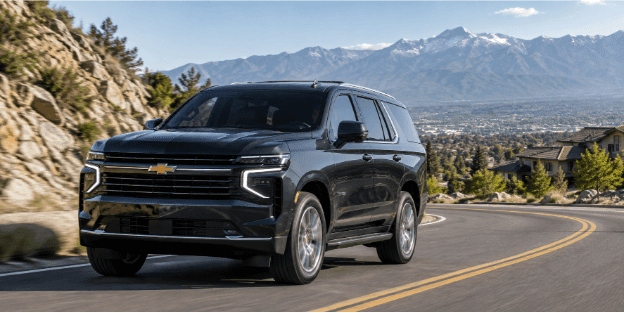
The Chevrolet Tahoe has long appealed to buyers who need three-row seating, strong capability, generous cargo space, and an SUV that can handle everyday family driving as well as road trips and towing. But if you are considering one, especially a pre-owned model, Chevy Tahoe reliability is likely one of your biggest questions.
The short answer is that reliability depends on more than the badge or model year. Maintenance history, mileage, previous use, recalls, and the condition of the specific Tahoe all matter. Before buying a used vehicle, checking its VIN through the NHTSA recall lookup can also tell you whether any safety recalls remain unrepaired.
Quick Answer:A properly maintained Chevy Tahoe can be a practical long-term SUV, but reliability varies by model year and individual vehicle history. Buyers should pay particular attention to maintenance records, engine and transmission behavior, recalls, suspension wear, and signs of previous heavy towing or demanding use. |
| Ready to Find the Right Chevy Tahoe for You?
Compare available Tahoe models, features, mileage, and pricing to find an option that fits your driving needs and budget. |
Chevy Tahoe Reliability at a Glance
Your best option depends on whether you prioritize warranty coverage, value, or a lower initial purchase price.
| Tahoe Option | Best For | Why It Makes Sense |
| New Tahoe | Buyers want the least uncertainty about previous use | New vehicle, warranty coverage, and current technology |
| Certified Pre-Owned Tahoe | Buyers are balancing value and added purchase confidence | Inspection requirements and eligible warranty benefits |
| Late-model used Tahoe | Buyers looking for value and newer features | Lower purchase price than new, while retaining modern equipment |
| Older used Tahoe | Budget-conscious buyers | Lower entry price, but condition and maintenance become increasingly important |
Riverton Chevrolet carries both new Chevrolet Tahoe options and pre-owned Chevrolet SUVs, allowing buyers to compare different ages, mileage levels, and ownership costs in one place. Riverton also lists Certified Pre-Owned Chevrolet vehicles with inspection and warranty benefits.
How Long Do Chevy Tahoes Last?
Buyers asking how long Chevy Tahoes last are often deciding whether a higher-mileage model is still worth considering. iSeeCars estimates the average Tahoe lifespan at around 165,000 miles, though actual longevity depends heavily on maintenance and use.
Key factors include:
- Regular oil and fluid changes
- Transmission and drivetrain maintenance
- Towing and driving conditions
- Brake, suspension, and cooling-system care
- Accident and repair history
For higher-mileage Tahoes, consistent service records matter more than mileage alone. A well-maintained vehicle with more miles can be a better choice than a lower-mileage Tahoe with an unclear history.
Chevy Tahoe Problems Buyers Should Check For
Researching Chevy Tahoe problems helps you know what to inspect before buying.
Engine and Fluids
Start the engine cold if possible. Check for unusual noises, warning lights, fluid leaks, and gaps in maintenance history.
Transmission and Drivetrain
During the test drive, watch for:
- Delayed engagement
- Harsh or uneven shifts
- Unusual vibration or noises
- Warning messages
On 4WD models, confirm the four-wheel-drive system works properly.
Suspension, Brakes, and Tires
Check for:
- Uneven tire wear
- Steering vibration
- Brake pulsation or pulling
- Suspension noises
If anything feels unusual, consider a professional inspection. Riverton Chevrolet’s Chevrolet service center provides maintenance and multi-point vehicle inspections.
Electronics and Comfort Features
Test the A/C, infotainment, cameras, power seats, windows, locks, and driver-assistance features. Small electrical issues can still add to ownership costs.
Test the equipment you expect to use regularly, including:
- Climate controls
- Infotainment system
- Backup camera
- Parking sensors
- Power seats
- Windows and locks
- Heated or ventilated seats, if equipped
- Driver-assistance features
Electrical or convenience issues may not prevent a vehicle from running, but they can still affect ownership costs.
Chevy Tahoe Years to Avoid or Inspect More Carefully
When researching Chevy Tahoe years to avoid, several model years stand out because of higher volumes of owner-reported concerns. According to CarComplaints’ Chevrolet Tahoe model-year data, the 2007 and 2015 Tahoes are particularly notable, while 2008 and 2009 also have issues buyers should investigate carefully.
That does not mean every Tahoe from these years should be avoided. Instead, use the reported issues as a guide for what to inspect before buying.
| Chevy Tahoe Model Year | What Buyers Should Consider |
| 2007 Tahoe | Check for engine concerns such as low oil pressure or unusual engine noise, along with dashboard condition and electrical operation. This model year has one of the highest volumes of reported Tahoe complaints. |
| 2008 Tahoe | Pay close attention to oil consumption, engine condition, door locks, electrical accessories, and maintenance history. A thorough engine inspection is particularly worthwhile on higher-mileage examples. |
| 2009 Tahoe | Review oil-consumption history, engine maintenance, dashboard condition, electrical systems, and any previous major repairs. Reported engine concerns make service records especially valuable. |
| 2015 Tahoe | Check the A/C system, transmission operation, suspension and ride quality, electronics, and interior features. This year has comparatively high complaint activity across several categories. |
What Is the Best Year Chevy Tahoe to Buy?
The best year Chevy Tahoe depends on your budget, preferred features, mileage, and the condition of the individual vehicle. For used buyers, several later model years within established Tahoe generations are worth considering.
| Model Year | Why Consider It? | What to Check Before Buying |
| 2013 Tahoe | A later model in the third generation had relatively fewer owner-reported problems than several earlier years. | Check the dashboard, engine maintenance, suspension, and service history. |
| 2014 Tahoe | The final year of the third generation makes it appealing to buyers who prefer an established platform. | Inspect the engine, electrical system, brakes, and verify completed recalls. |
| 2019 Tahoe | A later fourth-generation model that combines modern features with several years of platform development. | Check transmission operation, fuel-system history, electronics, and A/C performance. |
| 2020 Tahoe | The final year of the fourth generation was one of the lower-complaint years in historical owner-report data. | Inspect the A/C, cooling system, drivetrain, and overall maintenance history. |
These years can be useful starting points, but model year alone should never determine your decision. Mileage, maintenance records, previous use, accident history, and current mechanical condition can make two Tahoes from the same year very different purchases.
What to Check Before Buying a Used Chevy Tahoe
A structured inspection makes comparing multiple Tahoes much easier.
Before deciding, verify:
- VIN and recall status: Search the specific VIN through NHTSA.
- Maintenance history: Look for consistent service rather than isolated receipts.
- Cold start: Listen for unusual engine noises.
- Transmission operation: Check shifts at low and highway speeds.
- 4WD system: Test it if equipped.
- Brakes and suspension: Listen and feel for vibration, pulling, or unusual noises.
- Tires: Uneven wear can indicate alignment or suspension concerns.
- Electronics: Test cameras, infotainment, climate control, seats, and accessories.
- Vehicle history: Review previous accidents, ownership, and reported maintenance.
- Professional inspection: Get a qualified technician’s opinion when needed.
This checklist is particularly important when considering an older or high-mileage Tahoe.
5 Checks Before Buying a Chevy Tahoe
Choosing the Right Chevy Tahoe
The most important lesson about Chevy Tahoe reliability is that buyers should consider the entire vehicle, not just the odometer or model year.
A newer Tahoe may suit someone prioritizing warranty coverage and current technology. A well-maintained late-model Tahoe can offer a strong balance between features and price, while an older model may make sense for a tighter budget if its service history and mechanical condition check out.
| Thinking About Trading In Your Current Vehicle?
Get an estimate of your vehicle’s value and see how it could fit into your next Chevy Tahoe purchase. |
Frequently Asked Questions
Are Chevy Tahoes reliable?
A Tahoe’s reliability depends on its model year, mileage, maintenance history, previous use, and current condition. Buyers should review service records, recall status, and inspection results rather than judging Chevy Tahoe reliability from age or mileage alone.
How long do Chevy Tahoes last?
If you’re wondering how long Chevy Tahoes last, no fixed mileage applies to every vehicle. Current iSeeCars analysis estimates an average lifespan of around 165,000 miles, while individual well-maintained vehicles can differ considerably depending on maintenance and usage.
What are the common Chevy Tahoe problems to check before buying?
Potential Chevy Tahoe problems worth checking include unusual engine or transmission behavior, leaks, brake or suspension wear, uneven tires, A/C operation, warning lights, and malfunctioning electronics. Specific concerns vary by model year, which is why a VIN check and vehicle-specific inspection matter.
What Chevy Tahoe years should buyers be cautious about?
When researching Chevy Tahoe years to avoid, 2007 and 2015 frequently appear in historical owner-complaint data, while 2008 and 2009 also receive comparatively higher complaint volumes. That doesn’t mean you should reject every Tahoe from those years; maintenance history, recalls, mileage, repairs, and current condition should guide your final decision.
What is the best year Chevy Tahoe to buy used?
The best year Chevy Tahoe depends on your budget and priorities. Recent models generally provide newer technology and lower age-related wear, while an older, well-maintained Tahoe may offer better value. Compare maintenance history, mileage, warranty coverage, features, and inspection results before choosing.
0 comment(s) so far on What Buyers Should Know About Chevy Tahoe Reliability